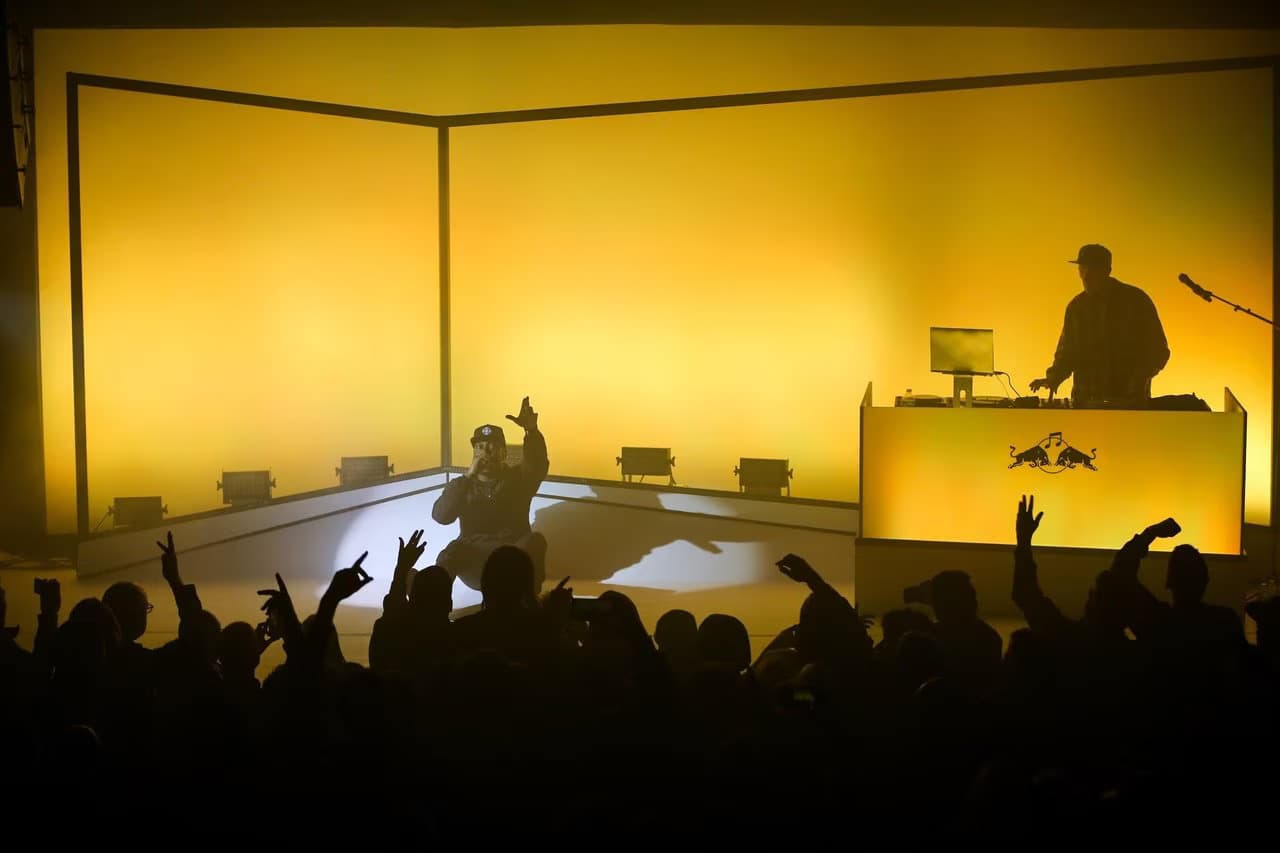
Red Bull Music Academy Festival New York
2014–2019
How a brandearned its placein culture.
A month-long festival that treated New York City as both its stage and its subject.
Across six annual editions, RBMA presented artist-led performances, installations, club nights, lectures, and collaborations throughout the city—each supported by an integrated creative, editorial, communications, and audience-development strategy.
Project information
Role
- Marketing Director
- Red Bull New York
- 2014–2019
Mandate
Build an annual festival property that increased Red Bull's relevance among culture-minded audiences by adding to New York culture rather than borrowing from it.
Scope
- Full Marketing Strategy
- Brand and Festival Positioning
- Go-to-Market Strategy
- Creative Direction
- Editorial and Content Strategy
- Public Relations
- Social and Paid Media
- Team, Agency, and Budget Leadership
- Global and Local Stakeholder Alignment
Scale
- 15–25 Events Annually
- Approximately 20 Venues
- Approximately 20-Person Core Team
- $2.5–3M Annual All-In Budget
The work
Most brands enter a city's cultural landscape hoping some of its credibility will transfer to them. We took the opposite approach: contribute something genuinely valuable first.
Following the 2013 Red Bull Music Academy residency, I led the marketing strategy for turning that moment into an enduring annual festival property. Working across a core team of approximately 20 people, we aligned programming, production, creative, editorial, communications, media, and audience development around one shared ambition.
The umbrella campaign—Celebrate. Create. Collaborate.—gave the festival a recognizable point of view. Beneath it, every event received its own creative language, audience strategy, and multimedia campaign.
One festival. Twenty distinct cultural propositions.
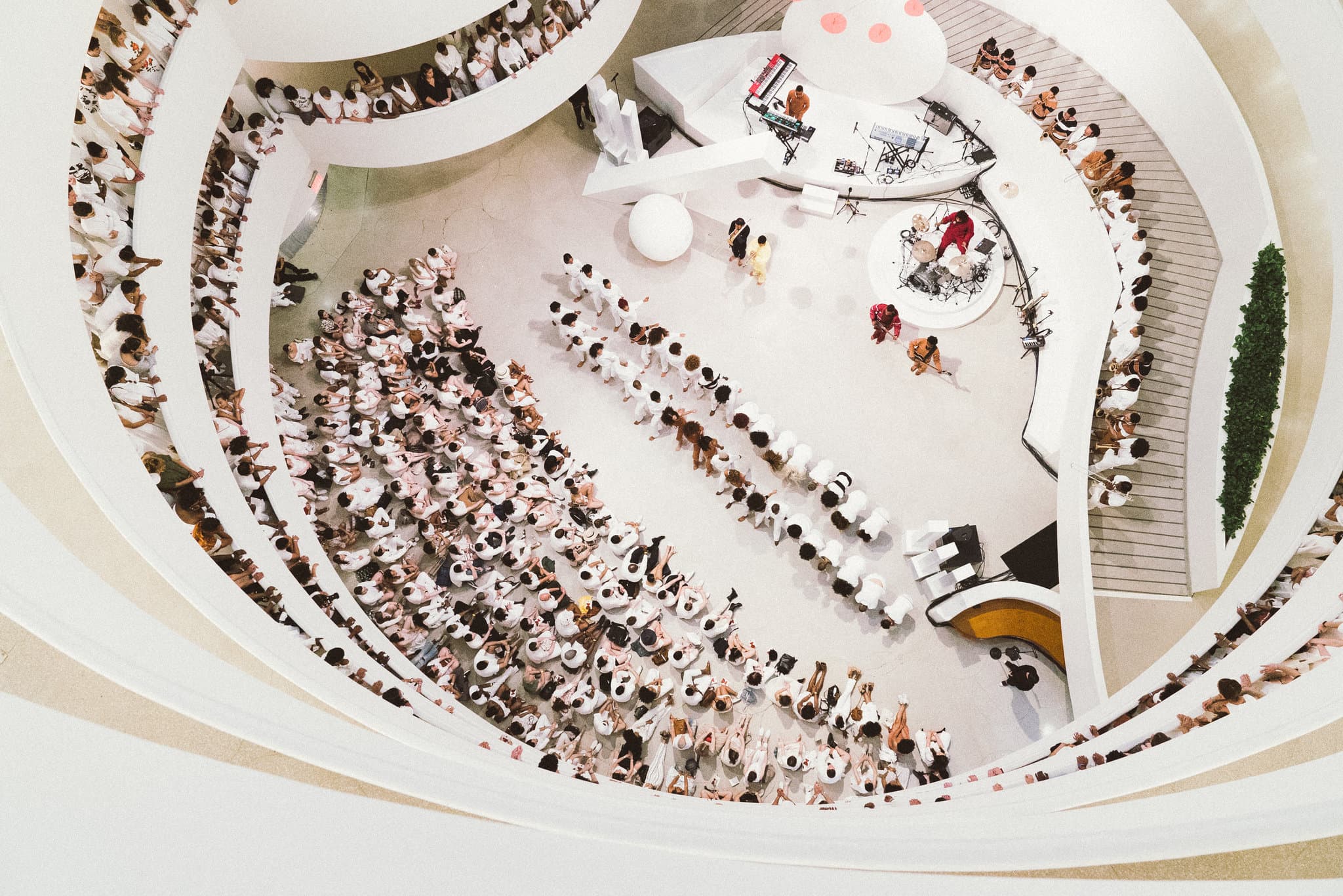
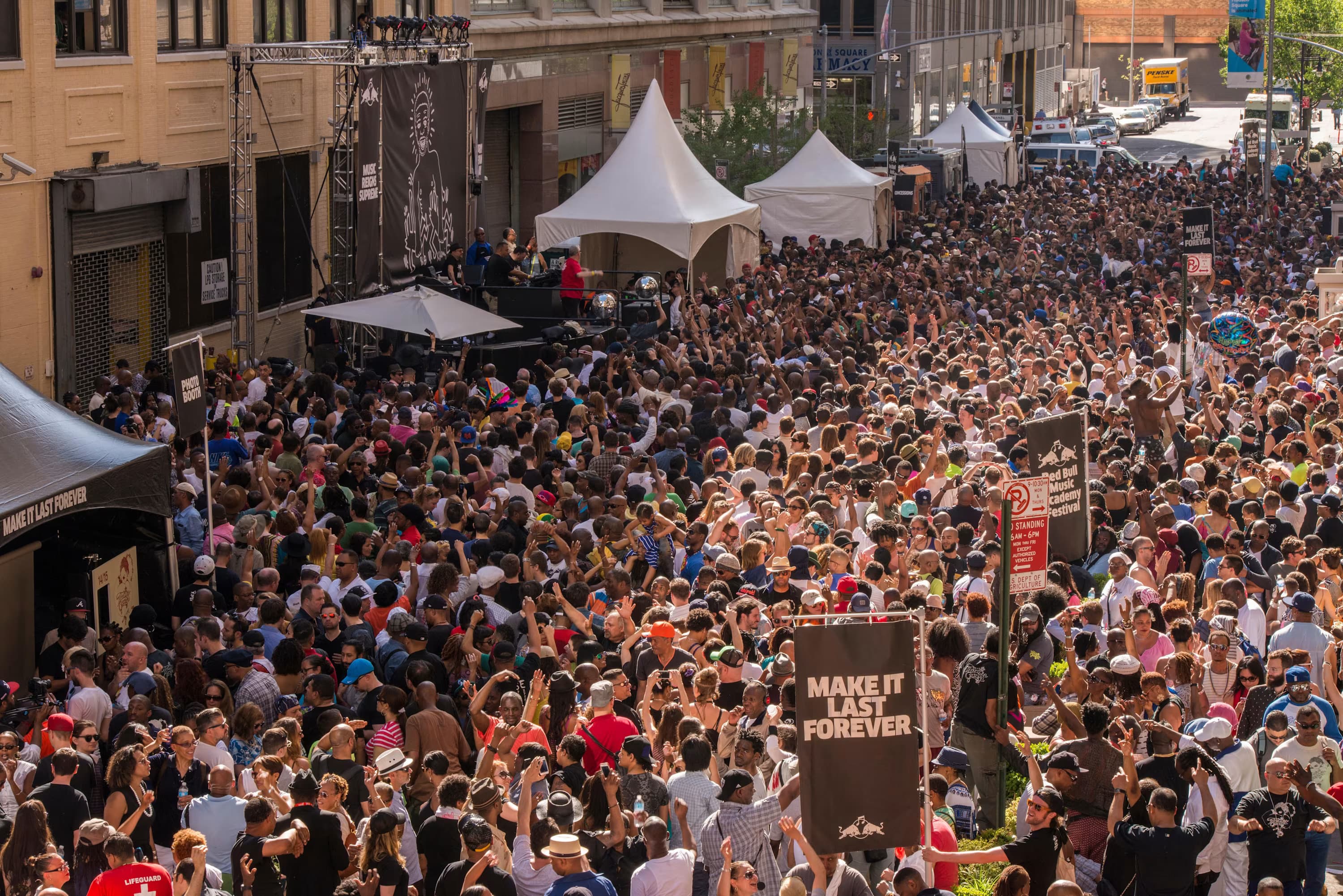
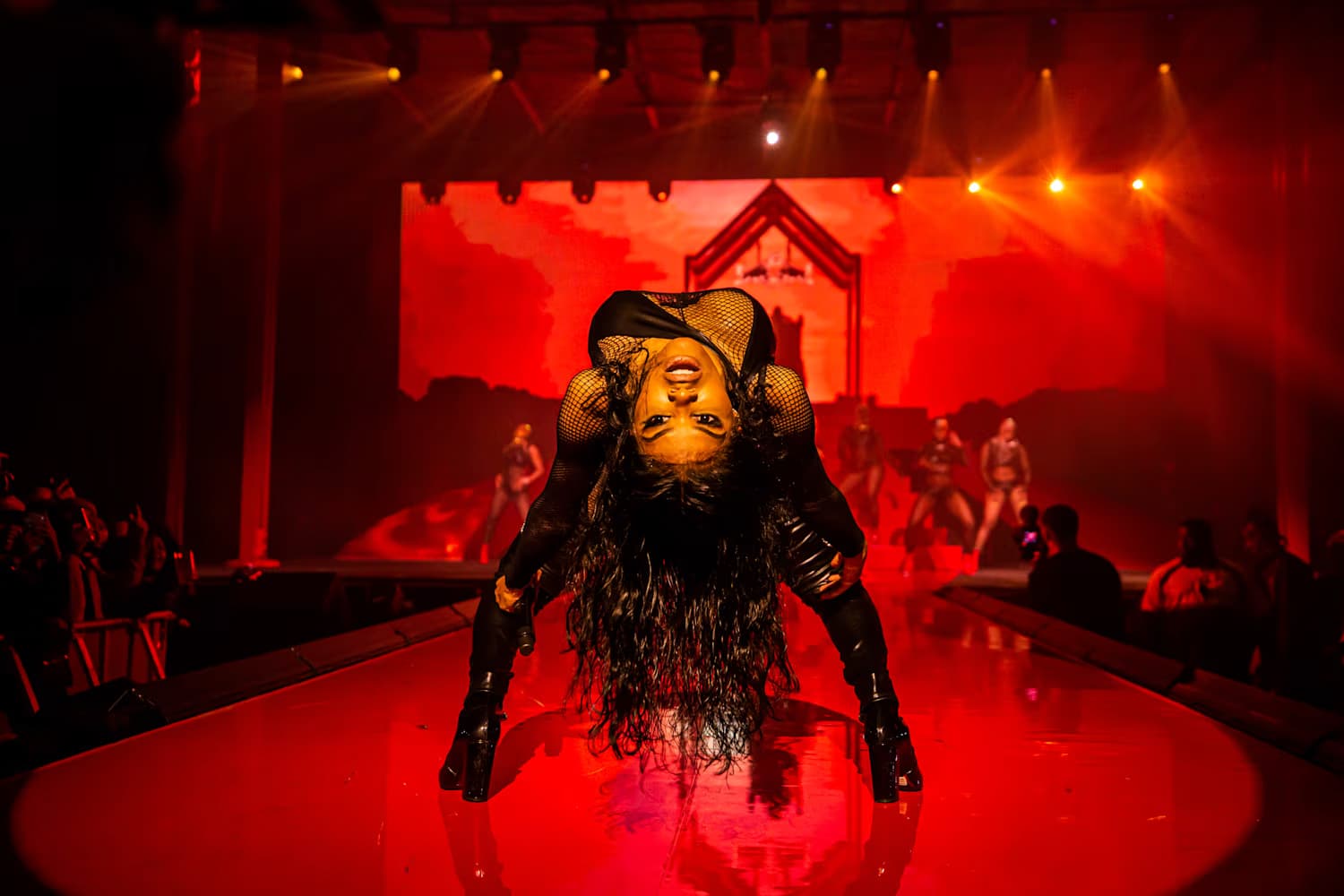
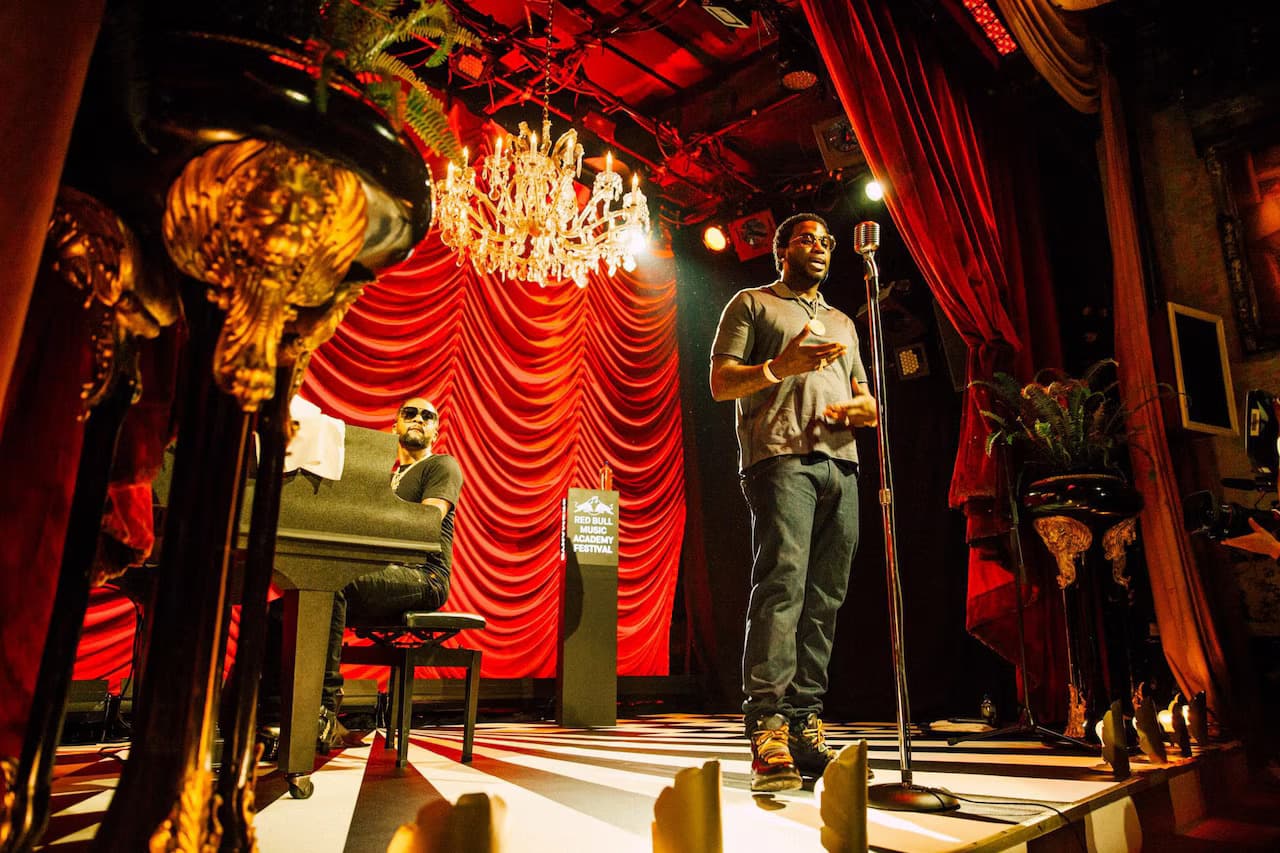
Artist-led commissions created performances and collaborations that otherwise would not have existed. Museums, armories, warehouses, clubs, streets, parks, and historic performance spaces were chosen for the meaning they brought to the work—not simply for capacity. Original films, essays, interviews, artwork, radio, public relations, social content, and paid media extended each idea beyond the room.
The result was not a branded event placed around culture. It was a platform that gave artists the resources, space, and audience to create new culture.
Independent recognition
“Proof that branded content can actually be good.”
Annual impact
15,000–30,000
Tickets sold
60–80M
Media impressions
400–500
Earned media placements
3–4
New York Times features and reviews
Typical annual results, 2014–2019.
Across six annual editions, the festival consistently sold through its ticket inventory and earned sustained coverage from New York's most influential cultural media. Post-activation research indicated positive sales lift during and following the festival, while its positioning, launch architecture, and integrated editorial and public-relations model were subsequently adopted by Red Bull markets around the world.
A brand earned cultural relevance by creating something worth caring about.
Selected leadership
Adam Shore
Creative Lead and Head of Programming, RBMA North America
Yadastar
Agency founded by Many Ameri and Torsten Schmidt
Cynthia Argo
Head of Production